
Common Retina Disorders Treated by the Best Retina Specialist in Nagpur
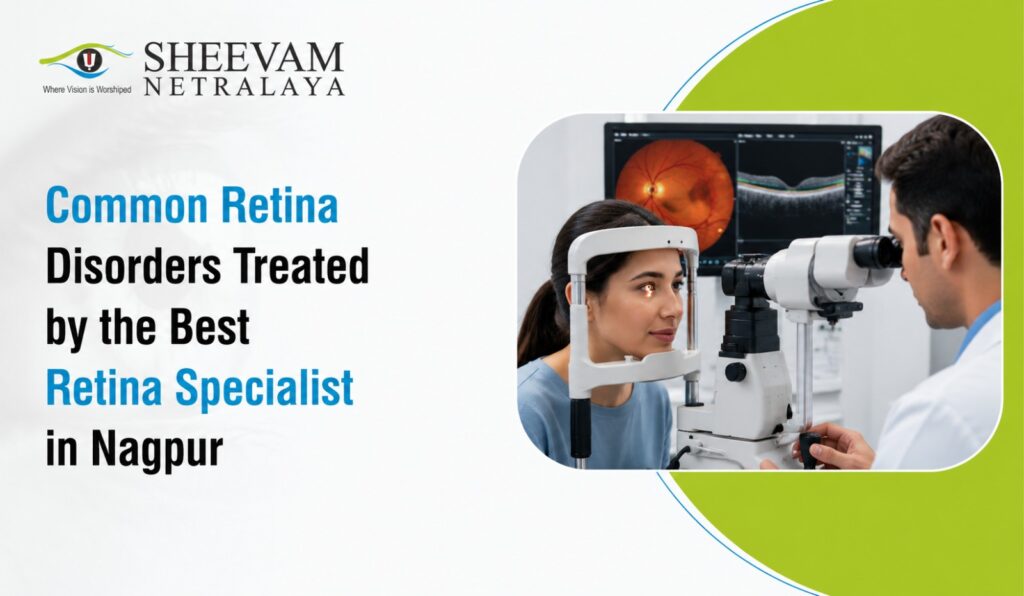
The retina is a thin layer of delicate tissue situated back in of the eye that contributes much to vision. It receives light and transforms this into signals that get to the brain where you see the world – the shapes, colors, and details of the things around us. As the development of retinal disorders may be symptom less mainly in the early stages, regular check of the eyes is essential mostly for the individuals in whom the chances of developing retinal problems are high.
Getting an eye check-up from a good retina specialist in Nagpur will bring about prompt diagnosis, proper treatment, and management of the retinal conditions. The modern retinal treatment involves sophisticated diagnostic imaging injections laser procedures and if needed, surgery.
1. Diabetic Retinopathy
Diabetic retinopathy is one of the most frequent complications in diabetics affecting retinal tissue. Uncontrolled prolonged elevated blood sugar level often means retina capillaries being damaged. When this disorder becomes worse, abnormal vessel growth might appear on the retina, and that can bleed or lead to vision loss.
The type of care and the methods being adopted vary based on the degree of the disease. They might be managing the blood level, regular inspection, injecting medicines through vitreous, laser surgery to get the retinal bleeding down, and even retinal or vitreous surgeries where retinas are detached or blood is present in eyes. Those who need to undergo routine eye check-ups even if their vision remains unchanged.
2. Age-Related Macular Degeneration (AMD)
Age-related Macular Degeneration, commonly known as AMD, causes degeneration of the macula, the main part of the eye responsible for detailed vision. People affected with AMD may find it hard to read, identify faces, or notice fine features like hairlines in the pictures.
It comes under two categories, namely dry and wet. Dry kind is a progressive degenerative condition without visible blood vessels. However, wet AMD shows up sudden changes like blood and fluid leakage around the macula. While some individuals may only need ongoing surveillance, the treatment for wet AMD can be done with intraocular injections. Getting an early check with your retina specialist in Nagpur may greatly benefit you to choose the right treatment option.
3. Retinal Detachment
Retinal Detachment means the retina has gotten physically torn and is pulled away from its normal position. Retinal detachment is a very severe condition that without early treatment, it can cause irreversible blindness.
Retinal detachment signs might encompass all of these or just flash of lights, sudden floaters multiplication, or dark shade covering part of the vision. Usually, it is an emergency situation which needs immediate examination and then according to its type and degree, retinal detachment can be surgically handled with options like laser treatment, pneumatic retinopexy, the use of scleral buckling with a rubbery band wrapped around the eye, or removing the vitreous jelly via a vitrectomy.
4. Macular Hole
Macular hole is an opening on the central part of the eye which helps in distinguishing details clearly. Such a condition usually makes one’s centrally placed vision blurry or stretched, and may also hinder doing activities which rely on the eye’s detailed vision.
If a specialist finds certain features of the condition, a surgical procedure, such as vitrectomy, may be considered as part of the treatment. An early diagnosis of the disease can allow the expert to decide if a wait-and-see or surgical approach will be the one best suited to the case.
5. Epiretinal Membrane
Retinal epiretinal membrane is described as a translucent scar tissue that is formed over the retinal surface, in particular in the macula region. The membrane could bring either blurry or a distorted vision at the central field.
Very minor cases might not necessitate anything except for a check-up and a watchful waiting approach. Yet, when vision is greatly affected by the membrane, a doctor of retina can propose a surgical approach as a treatment option.
6. Retinal Vein Occlusion
Retinal vein occlusion takes place when a retinal vein blood channel is somehow shut down. This type of situation may cause an increase in retinal fluid content, retinal bleeding, and also, a decrease in visual acuity.
Treatment depends mostly on the level and location of the closure and could range from injectables and laser therapy to monitoring of risk factors such as high blood pressure diabetes high cholesterol.
7. Diabetic Macular Edema
Diabetic macular edema is a complication that happens when diabetes destroys the tiny blood vessels in the retina and these leaky blood vessels cause fluid to leak into the macula part of the eye. If this happens a swollen macula results.
Given the extent of the diabetes-related vision loss, the possible ways of treatment could be anti-VEGF injections, corticosteroid-based treatment, laser therapy, or just monitoring the situation. Diabetes control and management of other risk factors play an essential role in the overall protection of eyesight.
The role of Regular Retinal Checks
Some retinal changes could develop very quietly and without much noticeable disturbance, some of them maybe not even in a few years time so they would be completely hidden from sight, it might even take many years before they would be seen through symptoms, that is if they ever come out with physical signs. The most significant risk factors that are known for diabetic retinopathy are diabetes high blood pressure, a history of eye diseases in the family, or just an overall aging process.
Sophisticated diagnostic tools like optical coherence tomography (OCT), retinal imaging (like the color fundus camera photos) that produce high-resolution images and a number of other diagnostic procedures give eye specialists means to look very closely at details of the eye’s tissues and to keep track of a patient’s retinal health.
How to Choose a Retina Specialist in Nagpur
Patients who want to see a retina specialist in Nagpur must look at several aspects like the availability of the doctor’s services, diagnostic tools the doctor uses which are up-to-date, treatment options that the doctor offers and follow-up care after the treatment.
You need timely diagnosis more importantly if there is a sudden loss of vision, flashes of light, new floaters, distorted vision, or a shadow or curtain in your field of vision.
Conclusion:
Retinal conditions may include diabetes-related retinal changes, macular problems, retinal tears and detachments. It will help your sight and possibly prevent more serious issues if you get timely and right diagnosis.
Make sure you get in touch soon with a skilled retina specialist in Nagpur if any of this things happen so that they can pinpoint the root problem and suggest a proper course of treatment. Eye check-ups on a regular basis, in particular for individuals who are more prone to eye problems, will be an effective measure for long term preservation of your retinal health.