
Causes, Symptoms & Expert Treatment for Retinal Detachment in Nagpur
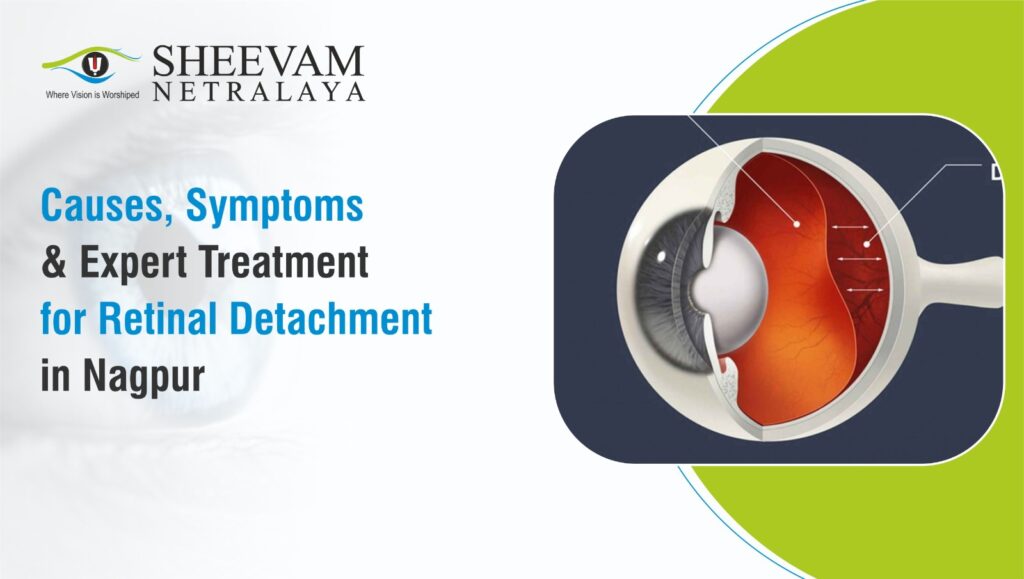
People tend to ignore their eye health until they get a big problem. Retinal Detachment is a very serious condition that, if not handled quickly, can result in blindness. Thanks to top-quality eye care centers in Nagpur, one can have their eyes checked early and getting treatment from the specialists can save the patient from going blind.
This blog explains the reasons of retinal detachment, the signs and symptoms, and expert treatment for retinal detachment in Nagpur, so you can figure out when you need to go to the doctor.
What is a Retinal Detachment?
A retinal detachment is a tear or separation of the retina, which is the light-sensitive layer of tissue located at the back of the eye. The retina is very important as it helps in collecting light and transmitting visual information to the brain. If the retina becomes detached, this function is adversely affected, resulting in vision loss or blindness.
The condition is very serious and requires prompt medical intervention to minimize the risk of irreversible damage.
What causes retinal detachment?
Retinal detachment can be triggered by a number of factors:
1. Retinal Tear or Hole
The primary culprit is a tear in the retina. The vitreous – a jelly-like substance filling the eye – liquefies and shrinks with age, leading to detachment. If a hole is created, fluid may seep in through the hole and cause the retina to detach.
2. Diabetic Eye Disease
Older patients with diabetes may see scarring inside the eye that can pull the retina away from its base. This condition is called tractional retinal detachment.
3. Injury or Trauma
If the eye gets hurt directly, a person can suffer from retinal damage and even its detachment. This is quite common in road accidents and injuries during sports activities.
4. Fluid Accumulation
Sometimes, fluid gets trapped under the retina, which does not have to be accompanied by any tear. Such a scenario is most likely an inflammatory reaction or a result of a different eye problem.
Risk Factors to Watch
Certain factors increase the likelihood of developing retinal detachment:
- Age above 40 years
- High myopia (near-sightedness)
- Previous eye surgeries like cataract removal
- Family history of retinal problems
- Diabetes or chronic eye diseases
Residents of Nagpur who have these risk factors must get their eyes checked regularly.
Symptoms of Retinal Detachment
Spotting early signs may be your best chance to prevent blindness.Some of the most frequent indications are:
- An unexpected increase in floaters (tiny dark spots or lines)
- Perception of light flashes in one or both eyes
- Vision getting blurred or seeing objects in a different shape
- Getting blind from the sides of your eyes
- A shadow or a curtain-like effect covering part of your sight
Even though these signs show no pain, you need to rush to an eye doctor in Nagpur without delay.
Diagnosis of Retinal Detachment in Nagpur
Current eye clinics in Nagpur rely on sophisticated diagnostic methods including:
- Dilated eye examination
- Optical imaging and retinal scans
- Ultrasound in critical cases
Identifying the disease at an early stage is an important factor on how successful the treatment may be.
Expert Treatment Options
The kind and severity of a detachment dictate the treatment. Top eye hospitals that provide retinal detachment treatment in Nagpur are equipped to offer the following:-
1. Laser treatment (Photocoagulation)
Laser treatment when used at the early stages, can help to seal retinal tears and avert further detachment.
2. Cryotherapy (A freezing treatment)
By applying a freezing technique the tear is closed and the retina is made safe.
3. Vitrectomy Surgery
With this cutting-edge operation, the surgeon completely extracts the vitreous gel that is pulling the retina. Then, a bubble of gas or silicone oil is inserted to keep the retina in place.
4. Scleral Buckling
A thin band is wrapped around the eye to slightly indent the wall of the eye, so that the retina is reattached to its position.
If done by proficient surgeons, those therapies can very effectively solve the problem.
Prevention and Eye Care Tips
Retinal detachment unfortunately is not always preventable, but you can lower your chances by:
- Getting consistent eye examinations
- Controlling your diabetes and blood pressure
- Using protective glasses if you play sports
- Getting professional help right away if your vision changes
Conclusion:
Having knowledge about the reasons, signs, and specialist intervention for retinal detachment in Nagpur is very helpful in safeguarding your eyesight. Although this disease poses a risk to your eyes, if you get it diagnosed on time and are committed to your treatment, it can work very well.
Should do you experience rapid visual fluctuations, please seek help from an eye doctor right away as dis rentre occurs. Acting without delay is essential for even the proper circumstances that lead to continuous vision.