Sheevam Netralaya

Uncategorized

Sheevam Netralaya
Uncategorized

Retina Specialist in Nagpur: When Should You Consult a Retina Expert?

Retina Specialist in Nagpur: When Should You Consult a Retina Expert? We rely on our eyes for everyday interactions, but fail to realize the importance of maintaining proper eye health until it starts to impact our daily life. Routine eye examinations can ensure good vision, but some vision problems require eyes to be treated by a retina specialist. It is because of this important to determine when a person should visit a Retina specialist in Nagpur for the eyes to stay healthy. What is the retina? The retina is the light-sensitive tissue lining the back of our eyes. The retina transforms the light we see into electrical signals and sends them to our brain, which creates the images we see. If the retina becomes damaged, this can have an impact on our vision or result in permanent vision loss. What Does a Retina Specialist Do? What is a retina specialist? An eye doctor who diagnoses and treats diseases of the retina and vitreous (the gel inside the eye) is called a retina specialist. Retina specialists are ophthalmologists, eye surgeons who have additional training to treat complex retinal diseases with medical treatments, laser therapy or retinal surgery. A Nagpur Retina expert can examine you carefully and provide specialised treatment for you, whether you have diabetic retinopathy, retinal detachment, macular degeneration, or retinal vein occlusion. Get treatment early to avoid further damage and to maintain the vision you have today. Warning Signs That You Should Not Ignore Signs of a retinal problem some vision changes can suggest an eye problem. It’s good to know these signs and symptoms and when to seek advice. 1. Sudden Appearance of Floaters Eye Floaters Eyeball floaters are little spots, specks, or cobwebs, that seem to drift through your vision. While infrequent floaters are typically not a big concern, a significant increase in the amount of floaters can be a sign of a tear or an additional eye condition. Seek emergency care immediately if you develop new floaters, in particular if they are accompanied by flashes of light. 2. Flashes of Light in Your Vision If you suddenly have the sensation of flashes of light, in particular in the corner of your eyes, it may indicate the presence of vitreous change or a tear in the retina. This should not be taken lightly as flashes can disappear after some time. A quick visit to a retina specialist can identify the cause and if treatment is needed. 3. Sudden Vision Loss or a Dark Shadow You may see a shadow, a dark curtain or a missing portion of your vision in the area you are looking at. It is due to the retina peeling away from the back of the eye. This is an emergency and you should get an emergency eye appointment immediately. 4. Blurred or Distorted Vision What are the warning signs? It looks like straight lines are crooked and objects are distorted or your central vision is blurred. Based on the diagnosis, a retina specialist will be able to determine the cause of the condition and advise on the best treatment. 5. Vision Changes Due to Diabetes Diabetes makes you more likely to develop a diabetic retinopathy. The high blood sugar levels from diabetes can damage the tiny blood vessels in the back of your eye (called the retina). At the beginning, you may not notice anything. People with diabetes should have their retinas dilated examined regularly. Even if you think your vision is fine, having a dilated exam may help to prevent future vision loss. Who Should Visit a Retina Specialist? Apart from people experiencing sudden vision changes, certain individuals may benefit from regular retinal evaluations. These include: Your doctor can recommend an appropriate examination schedule based on your medical history, symptoms and individual risk factors. What to Expect During a Retina Examination? During your visit to a Retina specialist in Nagpur, you will be taken through a discussion about your symptoms and history of eye problem and existing eye disease. The specialist may also conduct an eye test (if required), and examine the retina with dilated pupils. Optical coherence tomography (OCT) can generate cross sectional images of the retina, with colour photograph and ultrasound of value in specific circumstances. Based on the result, treatment options range from monitoring through to medication injections, laser treatment and surgery. The treatment varies per the problem and its severity and the speed with which it is diagnosed. How to Choose the Right Retina Specialist in Nagpur When you see an expert specialist, it’s a positive move to safeguard your eyesight. Search for an ophthalmologist who has special training in retinal disorders and the tools to diagnose your problem and has experience in treating it. Seek access to urgent emergency eye care if necessary. Ensure you are able to discuss treatments and their options and that it is easy to follow up with appointments. Talk about the possible advantages, risks, and costs of the procedure. Conclusion: If problems do not cause obvious symptoms they can develop without you knowing it, so you should always have regular eye tests if you are at risk. If you experience sudden floaters flashes distorted vision or a shadow in your vision seek urgent attention. Why you should See a Retina specialist in Nagpur As soon as you notice any odd changes to your vision, consult our expert Retina specialist in Nagpur for a precise diagnosis and treatment plan if needed. Ignoring any of these not-so-normal changes in your vision can have adverse effects on your eyesight.

Sheevam Netralaya
Uncategorized

Warning Signs That Require a Retinal Detachment Specialist in Nagpur Immediately

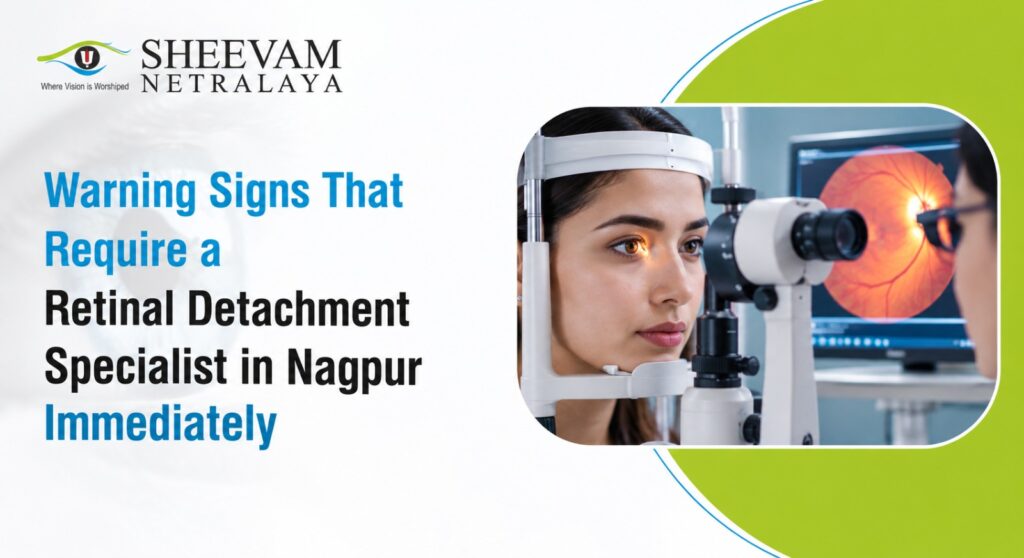
Warning Signs That Require a Retinal Detachment Specialist in Nagpur Immediately Our eyes are a vital part of the body humans are able to see and feel their environment thanks to their eyes. It’s crucial to remember that some eye diseases can occur unexpectedly, and if they aren’t diagnosed or treated promptly, vision may be lost. A retinal detachment is one of these kinds of potentially dangerous diseases. If you have a rapid fluctuation of the vision; it is essential that you see an expert retinal detachment specialist Nagpur right away . Early detection and treatment of may save sight and prevent retinal damage. What Is Retinal Detachment? The retina is an extremely thin layer of light sensing tissue in the back of the eye. The retina has the function of capturing light and then sending visual information to the brain. Retinal detachment is a condition, which occurs when the retina becomes separated from its normal position. Detached retina is not able to perform as it should and if there is not quick treatment it can cause you to loose the ability to see. A retinal detachment can happen in the eye because a change with age in the eye, an injury to the eye, very severe myopia, past eye surgery or with some other eye diseases. Warning Signs of Retinal Detachment Because retinal detachment can happen without any pain it is very important to be on the alert for warning signs. Not all warning signs might be recognized early and some may develop suddenly. 1. Sudden Increase in Floaters Floaters are specks dots lines, cobwebs, or other shapes that drift across your field of vision. Experience of floaters is normal, but if you suddenly develop many floaters this may be a sign of a retinal tear or detachment. While if many new floaters appear suddenly. Immediately go to a specialist for retinal detachment in Nagpur. 2. Flashes of Light Detection of flashes or flashes of Light, mostly when they are in the side of your vision. Flashes can occur when the retina is being touched or pulled. Although flashes may be caused by other reasons, if the flashes are sudden or continuous an eye specialist should be seen immediately. 3. A Dark Curtain or Shadow Among the most serious symptoms is the presence of a dark curtain, veil, or shadow advancing over a part of the field of vision. This could be a sign that the retina is beginning to detach. If you feel this symptom, do not wait for it to resolve; go to the emergency room without delay. 4. Sudden Blurred Vision A sudden onset of change in vision or unexplained blurring can sometimes be a retinal problem. If there is a sudden onset of blur, in particular if it is connected to flashes or floaters, seek professional advice. One can have a retinal examination done by a specialist and then determine the cause. 5. Loss of Peripheral Vision You may start to lose the side (or peripheral) part of your vision. You may feel like there is something in the way of your vision or that you are unable to see from the side. Allowing this to go unnoticed offers the chance for the detachment to develop. 6. Sudden Vision Loss Any sudden or unexplained loss of vision is an emergency. Retinal detachment is one of the possibilities, and the patient must be examined immediately to diagnose what the problem is. Do not wait to seek professional care, also do not depend on home remedies in case of sudden vision loss. Who Is more at Risk? While retinal detachment can affect anyone, certain factors can increase the risk. These include: Those with these risk factors need to be mostly vigilant on reduction or any other sudden change in vision and ensure that they follow the advice given by their doctor about routine eye checks. Why Immediate Treatment Matters The Importance of retina when the retina becomes separated, the impacted spot can potentially stop anywhere from receiving the correct amount of air and also nutrients it has to see efficiently. The period of time that the retina is detached creates a physical threat to irreversible eyes sight. Fortunately, retinal detachment is treatable with laser treatment cryotherapy pneumatic retinopexy, scleral buckle surgery, or a vitrectomy, depending upon the type and severity of the detachment. The right treatment is should be selected by an eye specialist after thorough examination. When Should Visitors to Nagpur Seek Out the Services of aRetinal Detachment Specialist? You should seek immediate medical attention if you experience: ·  A sudden increase in eye floaters ·  Flashes of light ·  A dark curtain or shadow over your vision ·  Sudden blurred vision ·  Loss of peripheral vision ·  Sudden or unexplained vision loss While these symptoms do not necessarily indicate retinal detachment, they do warrant urgent assessment, as early intervention can be vital to vision. Conclusion This is a serious eye condition and should never be ignored. If you suddenly notice floaters flashes shadows, clouded vision or peripheral vision, you need to see an ophthalmologist right away. Contact a retinal detachment specialist in Nagpur immediately if you experience these symptoms. An eye doctor’s extra effort and care at the right time, guide you to maintain your vision and the prevention of the retinal detachment. For sudden loss of sight, don’t wait for symptoms to worsen early assessment can be vital.

Sheevam Netralaya
Uncategorized

Warning Signs That Require a Retinal Detachment Specialist in Nagpur Immediately

Warning Signs That Require a Retinal Detachment Specialist in Nagpur Immediately The eyes provide us with the ability to see and appreciate the beautiful world we live in, that means any abrupt changes in vision should not be overlooked. Certain eye conditions can progress rapidly and need urgent intervention. Retinal detachment is such a condition. Recognition of signs and symptoms and prompt assessment by a Retinal detachment specialist in Nagpur may save your sight. What Happens in the retina: The retina is a thin layer of light sensitive tissue at the back of the eye. Light is detected by the retina and the information is transmitted to the visual parts of the brain. Retinal detachment is when the retina separates from where it is supposed to be. This can affect the retina’s ability to function. Retinal detachment is a medical emergency as failure to treat the problem expediently can result in permanent vision loss. Sudden Appearance of Floaters Suddenly seeing a lot more floaters than usual is a warning sign that can be dangerous and should not be ignored. Floaters could resemble small dots, specks, lines, or a cob-web pattern drifting in your vision. A few floaters are normal, but seeing an abrupt increase in floaters could be a sign of a retina tear or other problem. Sudden or dramatic changes should be seen by an eye doctor. Flashes of Light Experiencing flashes of light, in particular to the side of your vision, can also be a warning sign. Flashes are caused when the vitreous, the jelly-like substance within the eye, pulls on the retina. Although not always indicative of retinal detachment, new, or sudden flashes should be examined without delay by an eye-care practitioner. A Dark Curtain or Shadow One in particular difficult warning sign to note is a dark curtain, shadow, or veil that moves across your visual field in one or more areas. May also reflect a detached retina. If you experience this symptom get to an eye casualty immediately and pass that you have an attached retina to a retinal detachment specialist in Nagpur, or to an emergency eye-care service. Sudden Loss or Reduction of Vision Abrupt painless blurred or decreased vision or visual field defects must be addressed immediately. Detachment of the retina may start affecting only part of the visual field initially; and so visual loss may not be noticeable at first. An early check-up can help identify if an eye condition is responsible (eg. tear or detachment). Why Early Evaluation Matters Not all flashes, floaters, or visual changes indicate the presence of a retinal detachment. But, such manifestations can be linked to a retinal tear, which may eventually lead to a retinal detachment. The retina can be checked by a trained eye specialist, often with a dilated eye test and other diagnostic tests. Once a tear or detach has been diagnosed, the correct form of treatment can be proposed. Who might be at increased risk? There are several reasons why someone will be more likely to have a tear or a detachment. This can be due to severe myopia, previous eye surgery, such as cataract surgery, previous retinal detachment, a traumatic injury to the eye, or previous retinal detachment in the family. Though, retinal detachment may happen to people with no such predisposing factors. That is the case that emergency warning signs should not be ignored no matter the age and the history of eye. What can You Do if You Observe Forewarnings? Should you experience suddenly multiple new floaters, flashes of light, a shard of darkness or curtain moving across your vision or any sudden visual deterioration, you should see an emergency eye examination. Do not try and self-diagnose or delay for days to see if the condition resolves. It is better to get a quick opinion to see if there is a tear or detachment and if the treatment is necessary. Finding a Nagpur retinal detachment specialist find an eye-care provider who is familiar with the diagnosis of and treatment options for retinal problems. Inquire whether a prompt evaluation of the retina can be obtained and what therapy may be indicated for your specific condition. Treatment for Retinal Detachment Treatment varies for the type, size, and location of the retinal problem. A retinal tear may be treatable by laser photocoagulation or cryotherapy. In cases of Retinal Detachment surgery may be necessary, such as pneumatic retinopexy, scleral buckle surgery or vitrectomy. After a careful examination of the eye, only a trained ophthalmologist can decide on the most suitable treatment. Conclusion: Retinal detachment may threaten vision, and medical attention should be sought immediately. Sudden floaters, flashes of light, a shadow in the shape of a curtain or sudden loss or decrease of vision should not be disregarded. Call an eye care specialist immediately if you notice any of these signs. Even if you do not see any of these signs you should see Nagpur retinal detachment specialist immediately to detect any problem early and see if you may require urgent treatment. This article is intended for general health information purposes only and is not a substitute for professional medical or eye care advice or treatment.

Sheevam Netralaya
Uncategorized

Protect Your Vision with the Right Glaucoma Specialist in Nagpur

Protect Your Vision with the Right Glaucoma Specialist in Nagpur Vision is something we rely on in almost every moment of our lives, for instance reading working, seeing familiar faces and navigating surroundings safely. But, certain eye problems can stealthily impact the quality of vision over time without causing the appearance of symptoms at the start. Glaucoma is one of them. Finding a reliable Glaucoma Specialist in Nagpur will enable regular assessment identification treatment strategy, and follow-ups of glaucoma as well as other optic nerve-related disorders. What Is Glaucoma? Glaucoma is basically an umbrella term for various types of eye illnesses which have the potential of harming the optic nerve – the optic pathway responsible for passing visual signals to the brain. Glaucoma is often gradual-onset and at its outset, perhaps symptoms will remain almost imperceptible. Even if raised eye pressure is recognized as a major contributing factor, it is still possible for one to get glaucoma without having the eyes very high in pressure. Some individuals may be prone to glaucoma, albeit having their eyes pressure levels within “healthy” boundaries. So, a simple check of eye pressure cannot be a reliable method to detect this disorder. Why Early Diagnostics are Crucial One reason why glaucoma presents a diagnostic problem is that visual defects in the initial stages could be really subtle or even absent. The patient usually doesn’t even realize it when they start losing their peripheral vision – which may be a hint that the disease has already reached a higher stage. A thorough eye checkup can reveal the presence of glaucoma as well as the overall eye and optic nerve condition. Based on different case scenarios, an ophthalmo can check the intraocular pressure, optic nerve appearance, visual fields, etc Eye exams done on a regular basis are mainly beneficial to those who have risk factors, like older age of onset or having relatives who had glaucoma. Opting for a Glaucomatologist in Nagpur A good Glaucoma specialist is someone who knows glaucoma in depth and has had lots of experience in both diagnosing the condition and managing it as a disease. When picking a specialist, you should also think about whether the necessary diagnostic tools and a suitable facility are available in the doctor’s office. One point to keep in mind when looking for an optometrist or a ophthamologist is that he/ she will have the patient under supervision and follow-up soon. A follow-up with a specialist is not usually a single act but involves repeated visits to check things like eye pressure, optic nerve health, and changes in perception of your surroundings. With the help of these assessments, the doctor can figure out whether the current medication or treatment is sufficient to control the disease or if additional measures are needed. The consultation allows the patient to get more familiar with their situation by the exchange of information on their symptoms, family history of health problems that led to or affected their ability to see, the types of medications they are using at that time, and any other worries they might have for their sight. Common testing methods for Glaucoma A complete review for glaucoma is usually made up of several different tests since no single one is enough. The dilated eye exam enables the doctor to get a good view of the structures inside the eye, like the optic nerve. The visual field test mainly looks at peripheral vision, and measuring eye-pressure can provide extra information for whether someone is at risk of developing glaucoma or how this can be managed. Based on patient’s age symptoms history of illness, eye findings during previous check-ups, and risk factors, the type and number of tests suggested can differ. Possible Glaucoma Treatment Measures No glaucoma treatment can currently result in a full recovery, although some may help prevent progressive vision loss by slowing it down. Treatment will depend on the kind, severity of glaucoma, the particular individual, and the treatment response. It can involve prescription medicines, laser treatment, and surgery. Eye drops usually reduce pressure in the eyes. Based on the situation, it may be advisable to carry out laser surgery to open the passage of aqueous humour from the eye, which is the main fluid of the eye, more efficiently. Surgery comes into play only if medications or the laser treatment have been unable to control the disease satisfactorily. Patients should take prescribed treatment, and keep to their planned follow up appointments. Warning Signs There are many different types of glaucoma and most are slow in developing without symptoms in early stages. That said, some forms such as acute angle-closure glaucoma can cause eye pain, eye redness, blurred vision and nausea abruptly and severely. If you notice these signs, it is essential that you get to the hospital in a hurry as you may be facing a serious emergency. When a dramatic or a significant change in vision which is unexpected, one should immediately reach for professional medical help rather than waiting for the regularly schedule appointment. Protect Eye Health for a long term Seeing an ophthalmologist is one of the key ways to keep your eyes healthy, mainly if you are in a high-risk group. Talking to your ophthalmologist about your eye diseases in the family history may help you choose the best times and intervals for examinations. You should take control of diseases such as diabetes and high blood pressure which are not just bad for your general health but also are known to raise the risk of certain eye diseases. Taking care of them can have an overall beneficial effect on your eye health as well. Conclusion: Preservation of vision goes hand in hand with awareness, regular eye check-ups, and expert healthcare intervention. As glaucoma can silently worsen without being noticed until there is a loss of significant vision, having a checkup done properly by a specialist in glaucoma, for example, could be the difference made early in life between retaining and saving a

Sheevam Netralaya
Uncategorized

Common Retina Disorders Treated by the Best Retina Specialist in Nagpur

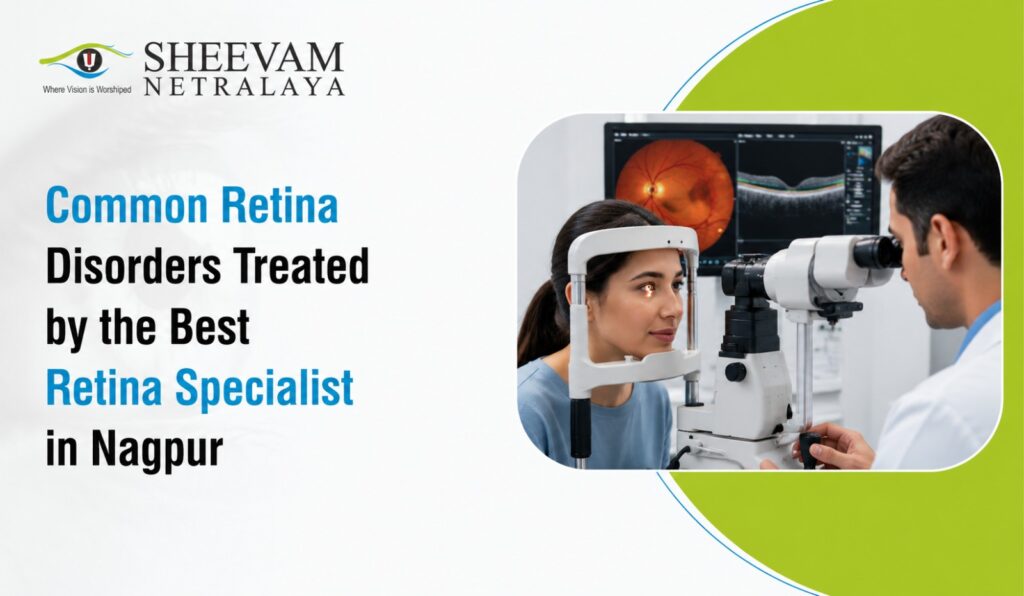
Common Retina Disorders Treated by the Best Retina Specialist in Nagpur The retina is a thin layer of delicate tissue situated back in of the eye that contributes much to vision. It receives light and transforms this into signals that get to the brain where you see the world – the shapes, colors, and details of the things around us. As the development of retinal disorders may be symptom less mainly in the early stages, regular check of the eyes is essential mostly for the individuals in whom the chances of developing retinal problems are high. Getting an eye check-up from a good retina specialist in Nagpur will bring about prompt diagnosis, proper treatment, and management of the retinal conditions. The modern retinal treatment involves sophisticated diagnostic imaging injections laser procedures and if needed, surgery. 1. Diabetic Retinopathy Diabetic retinopathy is one of the most frequent complications in diabetics affecting retinal tissue. Uncontrolled prolonged elevated blood sugar level often means retina capillaries being damaged. When this disorder becomes worse, abnormal vessel growth might appear on the retina, and that can bleed or lead to vision loss. The type of care and the methods being adopted vary based on the degree of the disease. They might be managing the blood level, regular inspection, injecting medicines through vitreous, laser surgery to get the retinal bleeding down, and even retinal or vitreous surgeries where retinas are detached or blood is present in eyes. Those who need to undergo routine eye check-ups even if their vision remains unchanged. 2. Age-Related Macular Degeneration (AMD) Age-related Macular Degeneration, commonly known as AMD, causes degeneration of the macula, the main part of the eye responsible for detailed vision. People affected with AMD may find it hard to read, identify faces, or notice fine features like hairlines in the pictures. It comes under two categories, namely dry and wet. Dry kind is a progressive degenerative condition without visible blood vessels. However, wet AMD shows up sudden changes like blood and fluid leakage around the macula. While some individuals may only need ongoing surveillance, the treatment for wet AMD can be done with intraocular injections. Getting an early check with your retina specialist in Nagpur may greatly benefit you to choose the right treatment option. 3. Retinal Detachment Retinal Detachment means the retina has gotten physically torn and is pulled away from its normal position. Retinal detachment is a very severe condition that without early treatment, it can cause irreversible blindness. Retinal detachment signs might encompass all of these or just flash of lights, sudden floaters multiplication, or dark shade covering part of the vision. Usually, it is an emergency situation which needs immediate examination and then according to its type and degree, retinal detachment can be surgically handled with options like laser treatment, pneumatic retinopexy, the use of scleral buckling with a rubbery band wrapped around the eye, or removing the vitreous jelly via a vitrectomy. 4. Macular Hole Macular hole is an opening on the central part of the eye which helps in distinguishing details clearly. Such a condition usually makes one’s centrally placed vision blurry or stretched, and may also hinder doing activities which rely on the eye’s detailed vision. If a specialist finds certain features of the condition, a surgical procedure, such as vitrectomy, may be considered as part of the treatment. An early diagnosis of the disease can allow the expert to decide if a wait-and-see or surgical approach will be the one best suited to the case. 5. Epiretinal Membrane Retinal epiretinal membrane is described as a translucent scar tissue that is formed over the retinal surface, in particular in the macula region. The membrane could bring either blurry or a distorted vision at the central field. Very minor cases might not necessitate anything except for a check-up and a watchful waiting approach. Yet, when vision is greatly affected by the membrane, a doctor of retina can propose a surgical approach as a treatment option. 6. Retinal Vein Occlusion Retinal vein occlusion takes place when a retinal vein blood channel is somehow shut down. This type of situation may cause an increase in retinal fluid content, retinal bleeding, and also, a decrease in visual acuity. Treatment depends mostly on the level and location of the closure and could range from injectables and laser therapy to monitoring of risk factors such as high blood pressure diabetes high cholesterol. 7. Diabetic Macular Edema Diabetic macular edema is a complication that happens when diabetes destroys the tiny blood vessels in the retina and these leaky blood vessels cause fluid to leak into the macula part of the eye. If this happens a swollen macula results. Given the extent of the diabetes-related vision loss, the possible ways of treatment could be anti-VEGF injections, corticosteroid-based treatment, laser therapy, or just monitoring the situation. Diabetes control and management of other risk factors play an essential role in the overall protection of eyesight. The role of Regular Retinal Checks Some retinal changes could develop very quietly and without much noticeable disturbance, some of them maybe not even in a few years time so they would be completely hidden from sight, it might even take many years before they would be seen through symptoms, that is if they ever come out with physical signs. The most significant risk factors that are known for diabetic retinopathy are diabetes high blood pressure, a history of eye diseases in the family, or just an overall aging process. Sophisticated diagnostic tools like optical coherence tomography (OCT), retinal imaging (like the color fundus camera photos) that produce high-resolution images and a number of other diagnostic procedures give eye specialists means to look very closely at details of the eye’s tissues and to keep track of a patient’s retinal health. How to Choose a Retina Specialist in Nagpur Patients who want to see a retina specialist in Nagpur must look at several aspects like the availability of the doctor’s services, diagnostic tools the doctor uses which

Sheevam Netralaya
Uncategorized

What Makes the Best Vitrectomy Hospital in Nagpur the Right Choice for Retina Treatment?

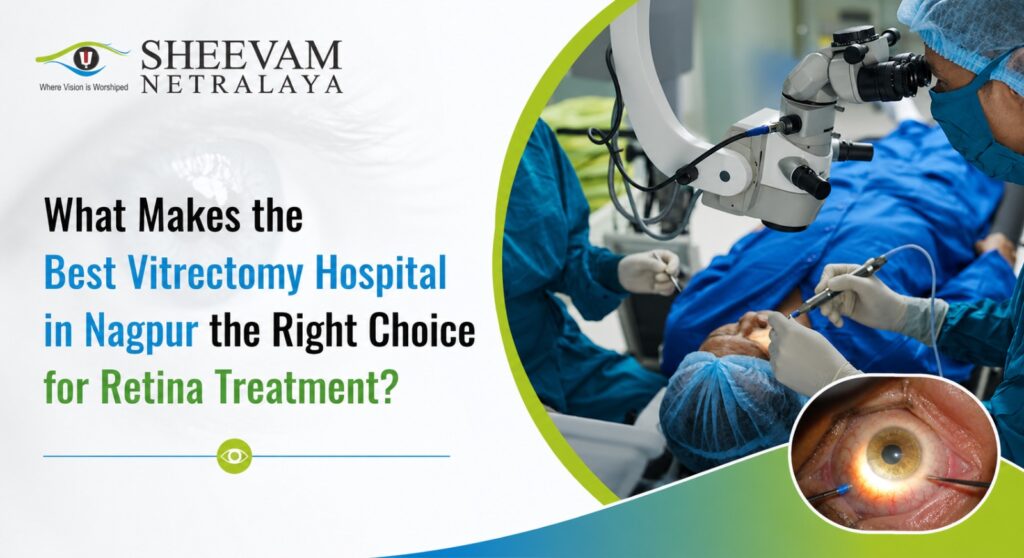
What Makes the Best Vitrectomy Hospital in Nagpur the Right Choice for Retina Treatment? The retina, or the light-sensitive part of the eye, is one of the major eyesight components. If any illness affects this extremely delicate part of the eye, it sometimes will demand an extremely high level of medical care. Some of these illnesses retinal detachment, vitreous haemorrhage, diabetic retinopathy, macular holes or other vitreoretinal disorders often lead to surgical intervention, including vitrectomy. If your doctor suggests this surgery, selecting among Nagpur’s Best Vitrectomy Surgery Hospital in Nagpur becomes a crucial choice. The excellent hospital should be more than just a surgical setting. It is also essential to have a skilled retina staff, high-tech diagnosis equipment, suitable surgical apparatus, extensive post-operative care, and the emergency support system to get maximum benefits from the coordinated treatment. What Is Vitrectomy? During a vitrectomy, a specialist retina surgeon performs a vitreoretinal operation and usually removes the liquid part (vitreous gel) in whole or in part from the inner side of the eye. In this way, the surgeon exposes the retina to work directly on some pathology affecting the back of your eye. Vitrectomy can also be used in some cases for retinal detachment, vitreous haemorrhage, macular hole, macular surgery (macular pucker), retinal complications connected to diabetes, retinal infections, severe eye injuries, and some complications tied to cataract surgery. Since the causes that might mean retinal problems may be very different from patient to patient, an individual treatment is the best approach and so the decision must be based on your doctor’s thorough and comprehensive evaluation carried out by a professional eye retina specialist. Importance of hospital selection Retinal surgery needs special skills as well as equipment that can only be found in certain hospitals. A hospital that does vitreoretinal surgery must have an integrated workflow that allows accurate diagnosis, decision making about surgery, safe surgery, and proper postoperative care. If you are seeking the finest vitrectomy hospital in Nagpur, here are some pointers you can take into account when selecting the hospital. 1. Availability of an Expert Vitreoretinal Team One factor that should be given the highest priority is the expertise of the surgical team. A vitreoretinator is a medical specialist who has been trained and certified to diagnose and treat eye diseases involving the vitreous and retina. As different retinal conditions may require different surgical techniques, experience with a particular condition is essential to the success of the surgery. Ask about: A hospital with a specialised retina service can deal more systematically with intricate retinal diseases. 2. Retinal Diagnostic Laboratories with State-of-the-Art Facilities Retina treatment starts with a correct diagnosis which is the foundation for effective therapy. The different diagnostic modalities at an integrated retina centre could include: With these, the physician can assess the retina vitreous macula and any other connected pathology, enabling him to develop a treatment plan. OCT, fundus photos, fundus fluorescence, ultrasound, and additional sophisticated retinal imaging are listed amongst other services of ophthalmology at AIIMS Nagpur, as an example. 3. A Dedicated Infrastructure for Vitreoretinal Surgery Vitrectomy involves specialized surgical equipment, and at the same time it needs an appropriate operating environment. Considering Best Vitrectomy Hospital in Nagpur, one should check if the facility has adequate vitreoretinal surgical resources such as: A contemporary surgical setup enables the retina surgeon to manage various types of vitreoretinal pathology to suit patient requirements. 4. Management of various types of Retinal Diseases The perfect retina center should be at least quite familiar with managing different kinds of medical and surgical retinal conditions. Vitrectomy has an indication in some such cases: A patient with vitrectomy is usually advised a treatment that best suits his/her diagnosis and eye health. 5. One Stop solution for Complete Retina Treatment Sometimes a simple eye condition like a minor tear of blood vessel may not necessitate any surgery and retinal problems can often be effectively treated without invasive procedures. Given the diagnosis, treatment could just be monitoring of the patient’s condition, administration of medication, intravitreal injections, laser procedures, or surgical intervention. A hospital having the complete range of retina facilities, can guide the treating doctors to recommend a suitable treatment for a patient, be it surgery or not, and not the other way around. An example is AIIMS Nagpur’s eye care services that are not only limited to surgeries and operations, but also provide retinal exams, medical retina care, intravitreal injections, laser treatment services and treat a patient with retinal detachment, vitreous haemorrhage and diabetic retinopathy. 6. Emergency Retina Care – Critical Need In fact, most retinal pathologies are non-emergent but a small subset definitely needs emergent treatment. When you see a sudden increase in floaters or flashes, or experience loss of peripheral vision, you must not just ignore these signs, as they might be symptoms of retinal disorders. Choose a Good Vittectomly Hospital in Nagurp that can respond to an emergency case and has an ophthalmic emergency department with capability of retinal emergency evaluations. Timely investigations and treatments are often very important, more so when an acute retinal detachment or any other life threatening/ vision threatening disease are involved. 7. Post-Operational treatment and monitoring Surgery is just one step in a long treatment journey. There is still a lot of work to be done even after the operation is finished. After surgery, patients will attend regular follow-ups where the retina specialist can check various aspects of recovery like healing, eye pressure, retinal status, inflammation, and others. In some operations, doctors may also give patients precise instructions about eye drop use, activity limitations, post-op position, etc. which may need patients to strictly follow the medical advice. Before a patient decides on a hospital, here are some questions that a patient might want to ask: A clearly organized and understandable follow-up program can assist the patient in anticipating what he or she will experience throughout the recovery phase. 8. Multidisciplinary Management Retinal diseases might be very closely related with general health and body problems. A

Sheevam Netralaya
Uncategorized

How to Choose the Best Vitreo Retinal Surgeon in Nagpur for Advanced Eye Care

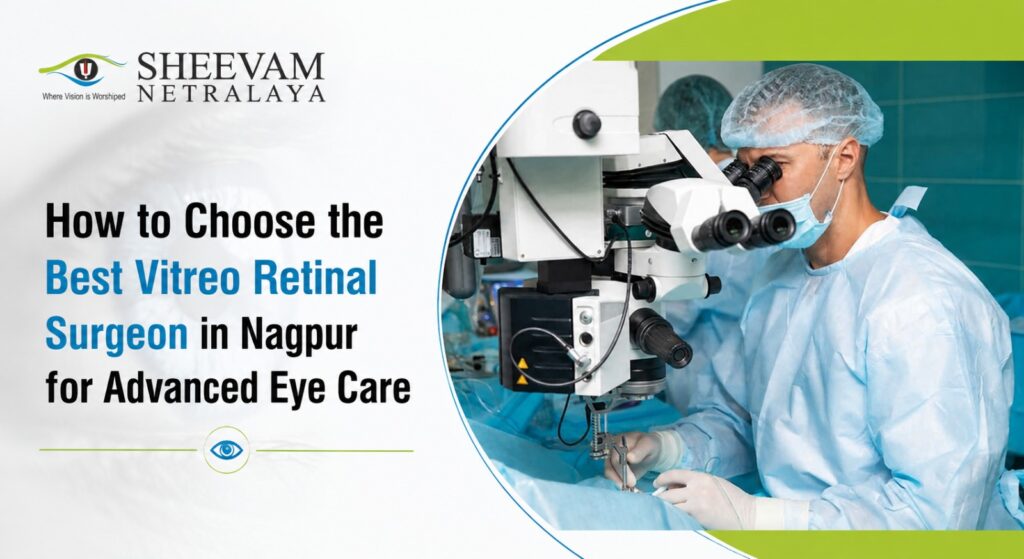
How to Choose the Best Vitreo Retinal Surgeon in Nagpur for Advanced Eye Care Your eyesight is one of your most important assets. Keeping your vision healthy involves expert care, Most of all when you encounter difficult retinal cases. The retina is highly sensitive, and various diseases of the retina or vitreous often means rapid worsening of the eye condition. The damage might even be irreversible, and the loss of sight can be lifelong if not treated properly. This way, to receive an accurate diagnosis, receive the latest treatment technique, and get good visual results, you need to consult the right Vitreo Retinal Surgeon in Nagpur. If your sudden vision change or retinal disorder diagnosis is making your decision difficult, choosing a retinal expert who has dealt with similar cases will greatly influence the outcome and save your sight to the largest extent possible. This article will walk you through the major factors to consider when deciding on selecting a Vitreo Retinal Surgeon in Nagpur. Know your Vitreo Retinal Surgeon’s role Vitreoretinal surgeon is a sub-specialist of ophthalmology who gets special training to diagnose and treat diseases affecting the retina, vitreous, and macula. They carry out treatment for lots of retinal problems which in many instances require a high degree of surgical skill or a specialized medical intervention. A professionally certified Vitreo Retinal Surgeon in Nagpur treats this retinal conditions: Being under a retinal specialist at the earliest is the key to saving the vision. Look for Specialized Experience Experience is one of the key factors to consider when searching for a Vitreo Retinal Surgeon in Nagpur Eye operations on retina are extremely demanding for a surgeon’s skill and precision. It’s a very high-level skill for a surgeon. Opt for a surgeon who is proficient in handling various retinal disorders in the clinic and performing advanced vitreoretinal procedures in the operation theatre. The doctor’s experience should be long-standing and specialized on the retina. Such a qualified specialist can easily deal with both common and very difficult cases. Check for Advanced Diagnostic Facilities Right diagnosis is the first and probably the most decisive step in the treatment of retina. A good eye clinic should be a place with all modern facilities for diagnosis that are capable of revealing retinal diseases even at the earliest stage of their development. Some of the major diagnostic technologies are: In addition, an expert Vitreo Retinal Surgeon in Nagpur will use the combination of these tools to properly check a patient’s retina condition and suggest the patient an optimal treatment. Availability of Advanced Surgical Technology One of the reasons why modern surgical procedures like retinal surgeries are more successful today is that surgeons are provided with cutting-edge technological tools that allow them to execute their work at a very high level of precision and also result in improved patients’ condition after the operation. You might want to verify first whether the hospital where the surgery is going to take place has the necessary advanced vitreoretinal surgical systems. These are possible examples: Utilisation of leading-edge technology not only makes the procedures much safer for the surgeon and the patient but also leads to more rapid recovery and higher levels of post-surgery satisfaction for the surgical patients. Comprehensive Treatment Options Retinal surgeons don’t always go for an operation as a means of treatment for a retina problem because various ways exist as to how treatment can be approached. Here are a few examples of what one may find offered by a Vitreo Retinal Surgeon in the town: By customizing the treatment strategy and matching it to the particular case of the patient, the doctor is more likely to help the patient find the most suitable treatment, i.e. the one that best fits the patient’s situation. Think About the Hospital’s Infrastructure Selecting a hospital with well-furnished eyes facilities not only enhances your safety but also your comfort during the entire treatment. Check whether the facilities offer: The infrastructure plays an important role in the overall treatment, diagnostics, and aftercare of the eyes surgery. Role of Patient Centric Healthcare Everyone’s visual needs and medical situations differ. A top Vitreo Retinal Surgeon in Nagpur is one who takes the patient’s perspective and time to explain the condition, outlines the plan of treatment, replies to the patients inquiries, and includes the patients in the decision-making process. Demand patient education and open dialogue to help patients understand their situations and feel supported throughout their treatment. Reviewing Patient Testimonials Patient reviews and testimonials are really useful in getting an understanding on how good is the care given by retinal specialists to their patients. You could consider selecting the best Vitreo Retinal Surgeon in Nagpur by looking at the patients’ feedback on various aspects like: Why Post Surgery Follow-up is Important A good retina treatment goes beyond surgery which is only the beginning part. Follow-up sessions at regular intervals will be critical in tracking the body’s healing, noticing the signs of recurrence, and making sure that the visual recovery is as best as possible. An expert in dealing with retinal diseases will make sure that you will have full support, for retinal examinations on a regular basis as well as tracking the changes to your vision. You will also get advice on prescriptions of medicines and how to take them. Apart from these, you will get some lifestyle recommendations such as diet and activities that you can perform on a daily basis to maintain or improve your ocular health. Besides controlling a condition and its recurrence through the use of medication, you will get advice on how to make changes of your lifestyle and what types of foods you can include or remove from your food list. When Is It a Good Idea to See a Retinal Doctor? Contact a doctor without delay if you find that you have: A Vitreo Retinal Surgeon in Nagpur doing a timely diagnosis might save the retina from getting destroyed and will make the treatment more effective. Conclusion:

Sheevam Netralaya
Uncategorized

Early Diagnosis by a Retinopathy of Prematurity Specialist in Nagpur Can Save Your Baby’s Sight

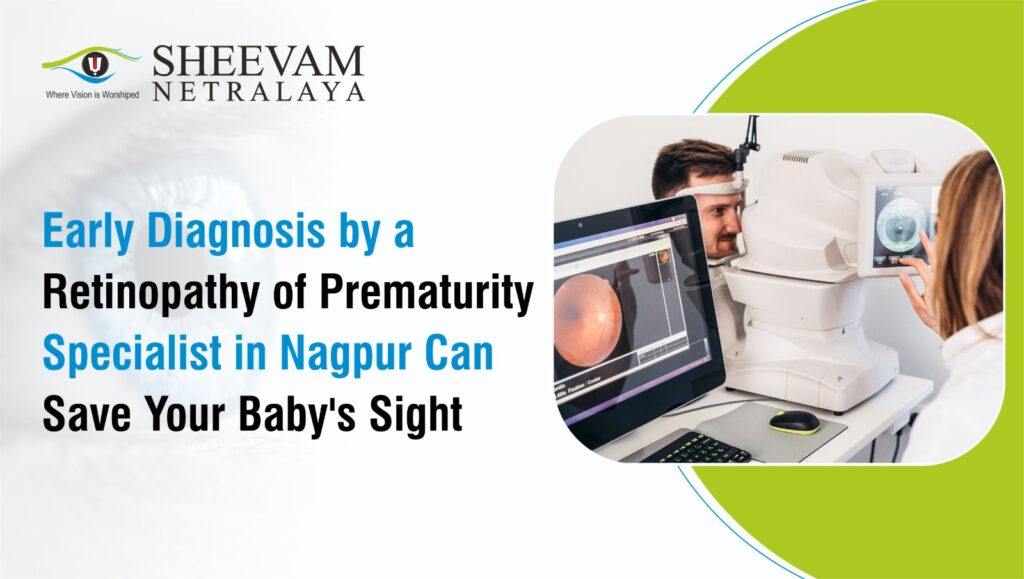
Early Diagnosis by a Retinopathy of Prematurity Specialist in Nagpur Can Save Your Baby’s Sight Sometimes, premature babies are born with certain medical conditions requiring specialized attention and care. One eye condition that often occurs in premature babies with great severity is Retinopathy of Prematurity (short for retinal disease of a preemie), which may result in permanent loss of vision or blindness if it is not discovered early and treated properly. It may help a lot if you visit an experienced Prematurity Specialist in Nagpur for preterm and preemies who can protect your child’s delicate sight and encourage his or her development through good visual. If early diagnosis, timely check-ups, and proper treatment are carried out correctly, many cases of complications related to ROP could be avoided. Parents of premature babies have to learn how much these early eye exams are needed and to get specialty medical attention based on their doctor’s directions. What Is Retinopathy of Prematurity (ROP)? Retinopathy Of Prematurity is generally one of the eye diseases that mainly affects babies who are born prematurely or with very low weight. In such newborns, the retina – which is the part of the eye where light is converted into nerve signals – develops from blood vessels that in turn become the cause. When the blood vessel proliferation is uncontrolled, the retina can be pulled and even torn off its base that is located in the posterior part of the eye, leading to serious permanent vision impairment, Mainly retinal detachment. A competent professional working in the area of premature (Nagpur) will cooperate with neonatologists and pediatric eye specialists so that the premature babies are provided with not only early screenings but also the proper management at the right time. Why Premature Babies Face More Risks A premature baby is one that is born before the retina of the eyes has finished its development, which normally happens towards the end of the full-term gestation. ROP risk can be further influenced by this: Every other premature baby may not have an aggressive ROP progression but those with these risk factors need their eyes constantly monitored by an expert such as the Prematurity Specialist in Nagpur, who can detect changes on the retina early on. The Value of Early Detection It is a fact that ROP has few symptoms at the beginning that is why it is extremely difficult for parents to detect it in their babies themselves without going through the screening test. That is why scheduled ROP screening is so critical. A Prematurity Specialist at Nagpur who has experience will use the best practice ROP screening and follow up guidelines of retinal examinations with the monitoring that a baby’s retina development needs throughout it all to a healthy baby retina. When ROP is suspected, timely treatment can prevent the damage that has already taken place if any. Also, it is equally important to keep up with the regularly scheduled follow up visits for babies with ROP since they can develop very fast In particular those that occur between the first several weeks post-delivery. Advanced Diagnostic Techniques Hospitals specializing in eye care use state-of-the-art technology for an effective diagnosis and close monitoring of Retinopathy of Prematurity (ROP). Common diagnostic techniques are: Having these high-tech diagnostic methods means that a Prematurity Specialist in Nagpur can pick up on the smallest of retina changes and can devise the best suitable treatment plan. Treatment of Prematurity Retinopathy In most cases, early detection of ROP gives you a range of excellent treatment options to get started straightaway. The treatment that you go for mainly depends on how the severity of your condition stands as against the baby’s general well-being. Sometimes, the most common treatments are the ones that get used: Getting timely intervention can A lot enhance the possibility of saving the vision and also can minimize the chance of the development of serious problems after a couple of years. A Lifetime of Eye Health Care Premature infants are more susceptible to developing eye diseases, some that do not manifest until later on in childhood, even if their initial eye treatment was successful. It is recommended that eye visits be continued so that the changes could be spotted at first signs of trouble and the children be given treatments that will be helpful for their visual healthy Sight preservation through swift intervention Parents need to understand that most retinal issues of the preterm babies are curable in case the doctors make diagnosis at an early stage. Not visiting the doctor in the early stages or delaying the follow-ups is a risk for the retina damage being irreversible. It is important that the baby is taken to a competent specialist of the Prematurity in Nagpur at the advised time since only such specialist can detect a change in the retina while damage is still minor and before it becomes a serious problem by initiating treatment in timely manner which preserves babies’ eyesight. Conclusion: Infant care is multifaceted Mostly with the early detection of disease conditions, and the health of the eyes is an aspect of it to consider seriously. The child has the best prospect for seeing normally if his or her retina is free of disease at the moment when the first eye check is done, and a Prematurity Specialist in Nagpur is the one who can help with it. If your baby was born before 37 weeks of pregnancy or you have a little baby weighing less than normal for newborns, do not take for granted the eye screenings prescribed by the doctor. A good relationship with a Prematurity Specialist in Nagpur who is reliable will mean that the baby gets a professional opinion about his or her eyesight as well as an expert medical treatment if needed, gets lots of care and attention from nurses and doctors, is monitored regularly for any development in the eyes, and overall that the child’s eye health is safeguarded. Being fast in handling the situation now will

Sheevam Netralaya
Uncategorized

Why Choosing a Pediatric Cataract Hospital in Nagpur Matters for Your Child’s Vision

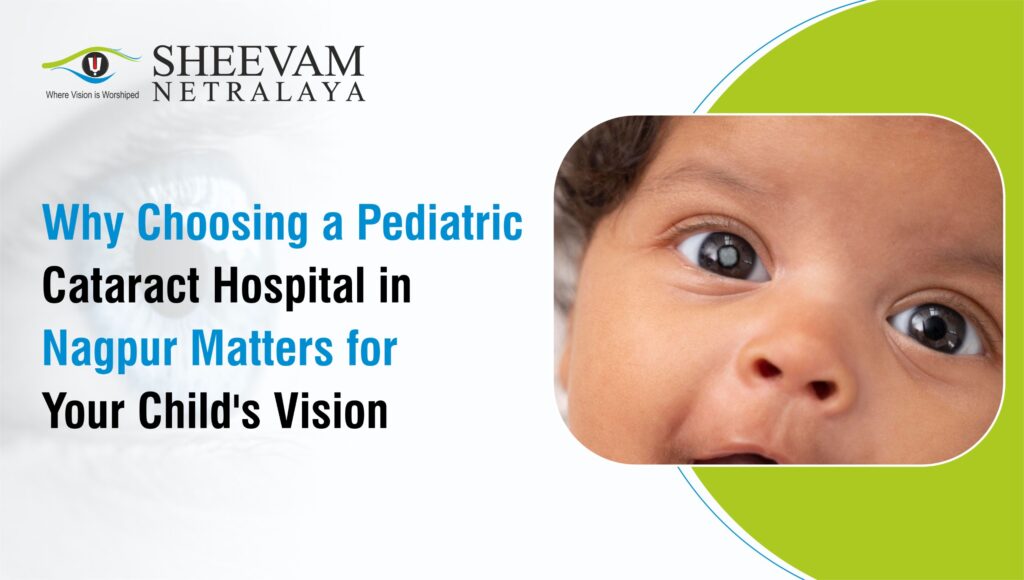
Why Choosing a Pediatric Cataract Hospital in Nagpur Matters for Your Child’s Vision The development of a child largely depends upon their vision. Good eyesight allows the children to interact with the surroundings, succeed in academics, and get actively engaged in the routine tasks. But, some children suffer from cataracts since birth or acquire it at a very young age and if such condition remains unaddressed, it can result in vision deterioration Much. Because of this, getting a proper and experienced Pediatric Cataract Hospital in Nagpur is something important to guarantee accurate diagnosis, specialized treatment and the best possible eyesight recovery. Infant and very young children’s cataract require highly skilled medical care which can only be rendered with sufficient experience. Researchers found the early involvement of a qualified pediatric ophthalmologist A lot helps in saving the child’s eyesight and at the same time, avoiding possible complications which can result from visual impairment. What is Pediatric Cataract? The eye’s natural lens getting milky or foggy due to cataract is an optic issue that is preventing clear light transmission to the retina of the eyeball. Aging is a frequent cause of cataracts, although it has also been noticed when it comes to infants and children whose cataract could have been due to genetic reasons, congenital defects, medical disorders, infections, or trauma. The medical team at a top Pediatric Cataract Hospital in Nagpur must be alerted immediately with pediatric cataract cases because if left too long, the condition can permanently affect children’s eyesight development. For this reason, reliable and well-equipped hospitals with an experienced pediatric cataract medical team are the best options. Early diagnosis of diseases has always been of importance. A child might not always be able to tell you about their vision problems, and That’s why regular and timely eye checks become all the more vital! Early diagnosis of cataracts gives the doctors a chance to intervene and start the treatment before any irreversible loss of vision happens or conditions like lazy eye (amblyopia) develop. Prompt medical attention is the priority if parents come across any of these signs: To give your child the highest chances of healthy vision, the best thing you can do is consult a Pediatric Cataract Hospital in Nagpur as soon as possible when you detect even the mildest symptoms. Giving Children the Vision Care They Need – Tailor-Made We have a vast difference in the way cataracts are tackled in children and adults. The whole process of pediatric eye treatment is highly specialized and needs deep understanding of the anatomical features, the visual development, growth patterns of children’s eyes. The top pediatric cataract hospitals in Nagpur provide dedicated pediatric ophthalmologists, pediatric anesthesiologists and trained supportive staff who comprehend young patients’ requirements and the care they need to be at the best of health at all times. Their team of experts assure parents that children receive not only safe but also developmentally appropriate & personalized care right from the time of diagnosis through the surgical procedures and the recovery phase. Comprehensive Post-Surgical Care Successful cataract removal calls for not only a good surgical outcome but also a good post-operative care. Periodic check-ups after the cataract surgery are very important, because they allow the doctor to assess the patient’s recovery, determine when the eyes have developed properly for normal vision with the operated eye or both if bilateral cataract was operated and also to know the efficacy of the treatment. A genuine and certified cataract treatment clinic that treats a lot of pediatric cataracts can offer post-operative care which may consist of: The key to attaining the best visual results lies in consistent follow-up visits. For children, visiting the doctors can often mean a big disruption in their lives, but also cause considerable worry and anxiety. A pediatric ophthalmology or pediatric eye hospital that specializes will design and implement measures to make the hospital experience very pleasant one. Features are usually: In short, the combination of these things results in better patient-doctor cooperation and at the same time giving peace of mind to the parent. Why does experience matter? We have to trust in our medical professionals, right? That is, we should prefer the one who has the most experience. At an experienced pediatric cataract hospital in Nagpur, you will find the team who has many skills and knowledge, enabling them to successfully deal with various problems of child’s eye. Their mastery allows them to identify problems at an earlier stage, come up with a good treatment plan, and perform the kind of surgery which is appropriate and safe to the particular needs of the children. We believe that hospitals with good pediatric ophthalmology teams also understand what is needed from parents, as they are going to follow up on children’s progress and in the meantime, are going to be able to cope with any complex cases that may come up along the way. Sustaining your child’s hope A healthy vision not only allows you to read and learn things but also helps you stay fit by playing, be sociable at school, and feel confident and self-assured about yourself. Correcting the cataract in a child’s eye early can really make the difference in a child’s life and also help a child to grow and learn in a very natural way. Parents are the ones who must act in the early days. So, it is a good idea to regularly organize eye doctor appointments and also observe your child when it comes to possible health issues, like visual or eye problems, and if needed immediately seek professional help. Conclusion: In the end, your choice of a Pediatric Cataract Hospital in Nagpur really is going to affect how your child’s eyes will develop and what they will see for a long time. Besides timely detection, there is the issue of the presence or absence of a special pediatric ophthalmology department and the availability of sophisticated equipment for examination and pre-, during, and post-operative treatments. The overall package of timely,

Sheevam Netralaya
Uncategorized

Everything You Need to Know About LASIK Surgery in Nagpur Before Treatment

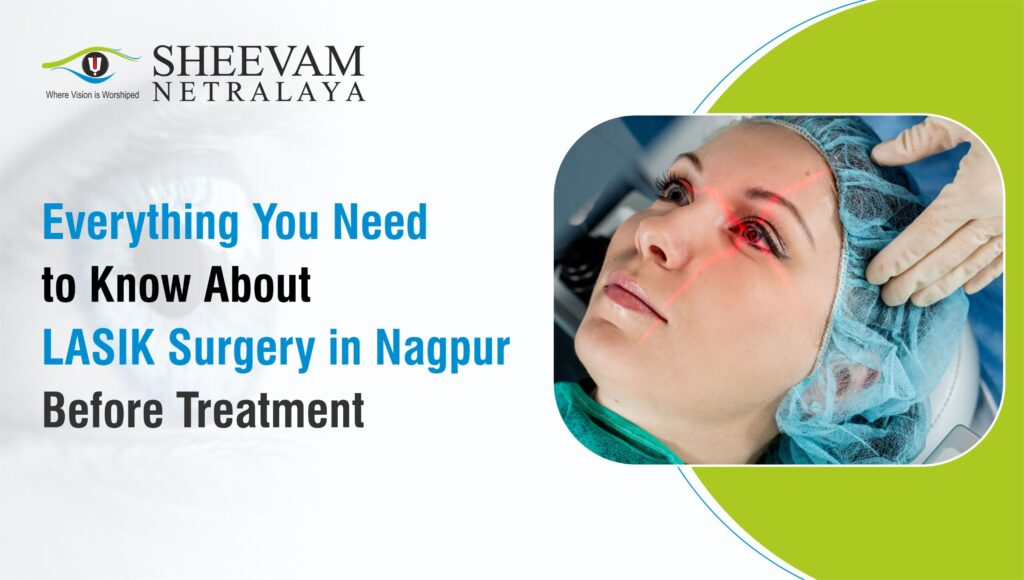
Everything You Need to Know About LASIK Surgery in Nagpur Before Treatment If you’re getting tired of constantly putting on your glasses or contacts, LASIK Surgery in Nagpur might help you regain clear vision without the need for glasses permanently. Laser Vision Enhancement, commonly known as Laser-Assisted In Situ Keratomileusis (LASIK), is one of the most widely used and highly efficient corrective surgery methods for the eyes – it helps millions not only get rid of their glasses and contacts, but in some cases even completely forget that it was something they used before. Obviously, deciding on going through one of the procedures is not easy and it is a very big decision for most people, In particular if it was the case they had been planning a very long time without the means to afford it at first. What is LASIK Surgery? LASIK Surgery in Nagpur is the eye-laser method developed mainly to address issues like: The doctor will create an opening of a flap into the surface of the eyes, then he will be focusing the corneal tissue using laser so it reaches the retina correctly. After this, your vision will get clearer or even you might totally stop wearing glasses and contacts. Who is a Good Candidate for LASIK Surgery in Nagpur? LASIK cannot be suitable for every person. Usually, ophthalmologists will first carry out an thorough eye check before suggesting LASIK as an option to them. You will be a suitable candidate if: Pregnant or breastfeeding women are, as a general rule, advised to delay LASIK to an after-baby period since temporary hormonal changes may change their vision temporarily How is LASIK Surgery Done in Nagpur? Benefits of LASIK Surgery in Nagpur LASIK Surgery in Nagpur can be the right solution for people who want vision correction that lasts. Clear Vision Many patients notice substantial enhancement in their quality of vision shortly afterwards, between 24 and 48 hours after the operation. Short Surgery Time For most cases, the total surgery duration is about 15-20 minutes for both eyes, with the laser application itself lasting just a few seconds each eye. Very Little Discomfort LASIK surgery is practically painless as the doctor administers some numbing drops beforehand. Quick Healing According to their eye doctor’s recommendation, many patients can come back to the office for work and other day-to-day chores after the surgery 1-2 days. Lower Use of Eyewear Many patients are capable of 20/20 vision or very close to it after LASIK, meaning that they may no longer require glasses or contacts as frequently, or at all. What is the procedure like before? To make sure the surgery on LASIK Surgery Nagpur goes well, the doctor will run a comprehensive eye testing before the surgery day. It is highly likely that you will be advised to put in a few days of a break from using contact lenses before the eye tests, simply because these could distort the cornea shape temporarily. What is Involved in LASIK Surgery? The LASIK Surgery is quick and painless. Initial steps include applying numbing eye drops to make it painless. Then, a small flap is cut at the corneal surface by either a femtosecond laser or microkeratome knife. After that, an excimer laser, using your eye prescription, is used to reshape the corneal depth in micro-scale. The corneal flap is finally, placed back and it naturally seals without stitches. The patient stays conscious all through and might briefly experience pressure in the eye or slight blurring of vision. Usually such experiences are pain free. Post-Operative Recovery After LASIK Surgery in India Recovering quickly is common, but It is best to follow your physician’s recommendations strictly if you desire the best visual result of your LASIK Surgery. Below are a few tips for your post surgery care: Through regular follow-up visits, your ophthalmologist is able to check the healing process and guarantee the attainment you want visually. Are there hazards to LASIK Surgery? Any surgical procedure, In particular LASIK has risks. But, these potential dangers are mostly harmless as long as a proficient surgeon conducts the surgery. Possible adverse effects which are generally temporary: The overwhelming majority of symptoms fade away in weeks or months as the eyes are healing. How to Find the Perfect LASIK Eye Hospital in Nagpur Your choice of an eye care center is not just important, it’s one of the biggest decisions you’ll make. Here is what you should look for while selecting a hospital: Opting for an established eye surgery clinic would lead to a safer, more accurate, and better satisfied outcome after the treatment. Price of LASIK Eye Procedure in Nagpur In Nagpur, the fees for LASIK Eye Surgery will vary based on several parameters, like the type of technology involved, the years and knowledge of the surgeon carrying out the procedure, the medical condition of the eye being treated, and the choice of hospital and other related factors. Cost does make sense to pay attention to while making choices, but it would be wise not to consider it as the sole basis of your selection. You will surely want to ensure best results by focusing on quality, safety, and the professional level of the hospital staff and the surgeon. Conclusion: Taking the step towards a life independent of the need for glasses or contact lenses through LASIK Surgery in Nagpur is definitely one of the most beneficial changes you can make to your life and eyesight. Thanks to laser technology that’s up to date, a good surgeon, and the state-of-the-art facilities of modern eye care hospitals found in the city, patients here will get a risk-free, accurate, and efficient treatment for their eyes. Before you go ahead, get all of your eye test done, get the facts about everything related to the procedure right from the advantages to recovery, and risks involved, from your ophthalmologist. Being fully aware at the time of deciding on undergoing treatment will lead to you getting good results and keeping your

Scroll to Top